
- 世界
- »
- US
- »
- テキサス州
- »
- Aguilares、 テキサス州
Aguilaresのビジネス
| Aguilares、 テキサス州の面積 | 0.3 mi² |
| 人口 | 17 |
| 1975から2015にかけての人口の変動 | +70% |
| 2000から2015にかけての人口の変動 | +41.7% |
| 現地時間 | 日曜日 7:32 |
| 時間帯 | アメリカ中部夏時間 |
| 緯度と経度 | 27.44864° / -99.08725° |
Aguilares、 テキサス州 - 地図
Aguilares、 テキサス州の人口
1975年から2015年まで| データ | 1975 | 1990 | 2000 | 2015 |
|---|---|---|---|---|
| 人口 | 10 | 11 | 12 | 17 |
| 人口密度 | 33.3 / mi² | 36.7 / mi² | 40.0 / mi² | 56.7 / mi² |
2000から2015にかけてのAguilaresの人口変動
2000年から2015年にかけての41.7%の増加| 場所 | 1975以来の変化 | 1990以来の変化 | 2000以来の変化 |
|---|---|---|---|
| Aguilares、 テキサス州 | +70% | +54.5% | +41.7% |
| テキサス州 | +111% | +60.8% | +31.3% |
| アメリカ | +46.9% | +27.2% | +13.7% |
Aguilares、 テキサス州の人口密度
人口密度:56.7 / mi²| 場所 | 人口 | エリア | 人口密度 |
|---|---|---|---|
| Aguilares、 テキサス州 | 17 | 0.3 mi² | 56.7 / mi² |
| テキサス州 | 27.5 ミリオン | 268,597.7 mi² | 102.5 / mi² |
| アメリカ | 321.6 ミリオン | 3,796,761.2 mi² | 84.7 / mi² |
Aguilares、 テキサス州の過去および将来の予測人口
2100以前の古代の推定人口Sources:
1. JRC (European Commission's Joint Research Centre) work on the GHS built-up grid
2. CIESIN (Center for International Earth Science Information Network)
3. [リンク] Klein Goldewijk, K., Beusen, A., Doelman, J., and Stehfest, E.: Anthropogenic land use estimates for the Holocene – HYDE 3.2, Earth Syst. Sci. Data, 9, 927–953, https://doi.org/10.5194/essd-9-927-2017, 2017.
人間開発指数(HDI)
平均余命、教育、および一人当たり収入の統計的複合指数。Sources: [Link] Kummu, M., Taka, M. & Guillaume, J. Gridded global datasets for Gross Domestic Product and Human Development Index over 1990–2015. Sci Data 5, 180004 (2018) doi:10.1038/sdata.2018.4
Aguilares、 テキサス州の二酸化炭素排出量
1人あたりの二酸化炭素(CO2)排出量(年間トン)| 場所 | CO2排出量 | 一人当たりのCO2排出量 | CO2排出強度 |
|---|---|---|---|
| Aguilares、 テキサス州 | 314.3 s/t | 18.5 s/t | 1,047 米トン/mi² |
| テキサス州 | 488,896,034 s/t | 17.8 s/t | 1,820 米トン/mi² |
| アメリカ | 5,664,619,809 s/t | 17.6 s/t | 1,491 米トン/mi² |
Aguilares、 テキサス州の二酸化炭素排出量
| 2013年の二酸化炭素排出量 (トン/年) | 314.3 s/t |
| 2013の人口1人あたりの二酸化炭素排出量 (トン/年) | 18.5 s/t |
| 2013年の二酸化炭素排出量 (トン/mi²/年) |
自然災害リスク
10のうちの相対リスク| 干ばつ | 高 (10) |
| 洪水 | 高 (9) |
*特に洪水または地滑りに関するリスクは、地域全体に及ぶとは限りません。
Sources: 1. Dilley, M., R.S. Chen, U. Deichmann, A.L. Lerner-Lam, M. Arnold, J. Agwe, P. Buys, O. Kjekstad, B. Lyon, and G. Yetman. 2005. Natural Disaster Hotspots: A Global Risk Analysis. Washington, D.C.: World Bank. https://doi.org/10.1596/0-8213-5930-4.
2. Center for Hazards and Risk Research - CHRR - Columbia University, Center for International Earth Science Information Network - CIESIN - Columbia University, and International Research Institute for Climate and Society - IRI - Columbia University. 2005. Global Drought Hazard Frequency and Distribution. Palisades, NY: NASA Socioeconomic Data and Applications Center (SEDAC). https://doi.org/10.7927/H4VX0DFT.
3. Center for Hazards and Risk Research - CHRR - Columbia University, Center for International Earth Science Information Network - CIESIN - Columbia University. 2005. Global Flood Hazard Frequency and Distribution. Palisades, NY: NASA Socioeconomic Data and Applications Center (SEDAC). https://doi.org/10.7927/H4668B3D.
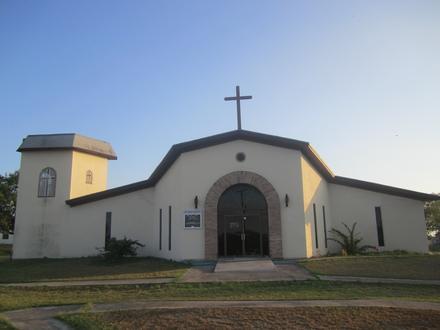
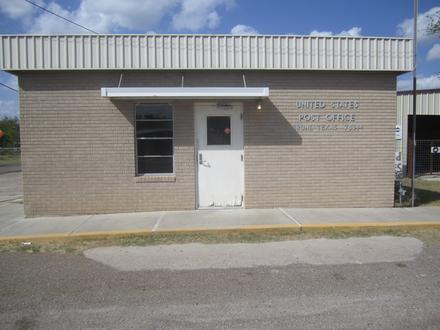
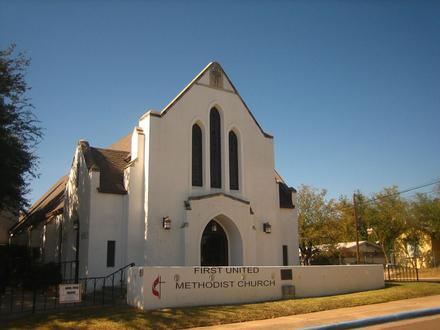
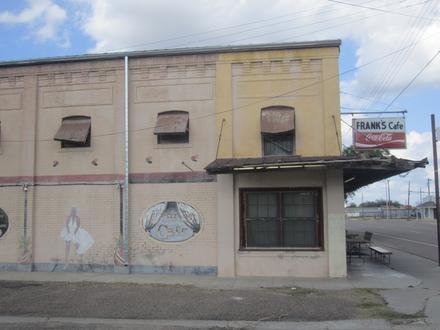
データについて
このページのデータは、公開されている多くのツールとリソースを使用して推定されています。保証なしで提供され、不正確な内容が含まれている可能性があります。自己責任。詳細については、 こちらをご覧ください。
