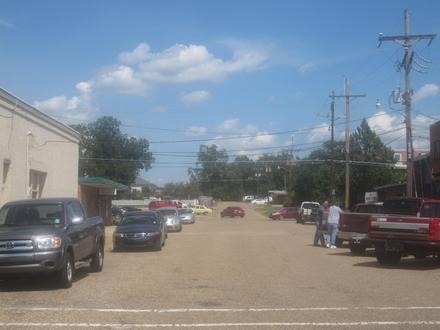
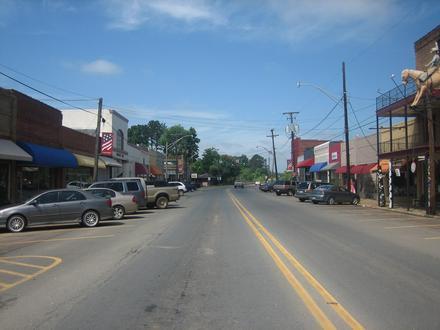
| Longstreet、 ルイジアナ州の面積 | 2.073 mi² |
| 人口 | 156 |
| 男性人口 | 76 (48.7%) |
| 女性人口 | 80 (51.3%) |
| 1975から2015にかけての人口の変動 | +17.3% |
| 2000から2015にかけての人口の変動 | +5.4% |
| 平均年齢 | 48.1 |
| 男性平均年齢 | 49 |
| 女性の平均年齢 | 47.2 |
| 市外局番 | 318 |
| 現地時間 | 木曜日 21:46 |
| 時間帯 | アメリカ中部夏時間 |
| 緯度と経度 | 32.09766° / -93.95213° |
| 郵便番号 | 71050 |
Longstreet、 ルイジアナ州の人口
1975年から2015年までSources: JRC (European Commission's Joint Research Centre) work on the GHS built-up grid2000から2015にかけてのLongstreetの人口変動
2000年から2015年にかけての5.4%の増加Sources: JRC (European Commission's Joint Research Centre) work on the GHS built-up gridLongstreet、 ルイジアナ州の年齢中央値
年齢中央値:48.1 年Sources: CIESIN (Center for International Earth Science Information Network)Longstreet、 ルイジアナ州の人口ピラミッド
年齢と性別による人口Sources: CIESIN (Center for International Earth Science Information Network)Longstreet、 ルイジアナ州の人口密度
人口密度:75.2 / mi²Sources: JRC (European Commission's Joint Research Centre) work on the GHS built-up gridLongstreet、 ルイジアナ州の予測人口
1975から2100にかけての推定人口Sources:
1. JRC (European Commission's Joint Research Centre) work on the GHS built-up grid
2. CIESIN (Center for International Earth Science Information Network)
3. [リンク] Klein Goldewijk, K., Beusen, A., Doelman, J., and Stehfest, E.: Anthropogenic land use estimates for the Holocene – HYDE 3.2, Earth Syst. Sci. Data, 9, 927–953, https://doi.org/10.5194/essd-9-927-2017, 2017.人間開発指数(HDI)
平均余命、教育、および一人当たり収入の統計的複合指数。Sources: [Link] Kummu, M., Taka, M. & Guillaume, J. Gridded global datasets for Gross Domestic Product and Human Development Index over 1990–2015. Sci Data 5, 180004 (2018) doi:10.1038/sdata.2018.4Longstreet、 ルイジアナ州の二酸化炭素排出量
1人あたりの二酸化炭素(CO2)排出量(年間トン)Sources: [リンク] Moran, D., Kanemoto K; Jiborn, M., Wood, R., Többen, J., and Seto, K.C. (2018) Carbon footprints of 13,000 cities. Environmental Research Letters DOI: 10.1088/1748-9326/aac72aLongstreet、 ルイジアナ州の二酸化炭素排出量
| 2013年の二酸化炭素排出量 (トン/年) | 3,144 s/t |
| 2013の人口1人あたりの二酸化炭素排出量 (トン/年) | 20.2 s/t |
| 2013年の二酸化炭素排出量 (トン/mi²/年) | |
自然災害リスク
10のうちの相対リスク*特に洪水または地滑りに関するリスクは、地域全体に及ぶとは限りません。
Sources:
1. Dilley, M., R.S. Chen, U. Deichmann, A.L. Lerner-Lam, M. Arnold, J. Agwe, P. Buys, O. Kjekstad, B. Lyon, and G. Yetman. 2005. Natural Disaster Hotspots: A Global Risk Analysis. Washington, D.C.: World Bank. https://doi.org/10.1596/0-8213-5930-4.
2. Center for Hazards and Risk Research - CHRR - Columbia University, Center for International Earth Science Information Network - CIESIN - Columbia University. 2005. Global Flood Hazard Frequency and Distribution. Palisades, NY: NASA Socioeconomic Data and Applications Center (SEDAC). https://doi.org/10.7927/H4668B3D.
データについて
このページのデータは、公開されている多くのツールとリソースを使用して推定されています。保証なしで提供され、不正確な内容が含まれている可能性があります。自己責任。詳細については、
こちらをご覧ください。